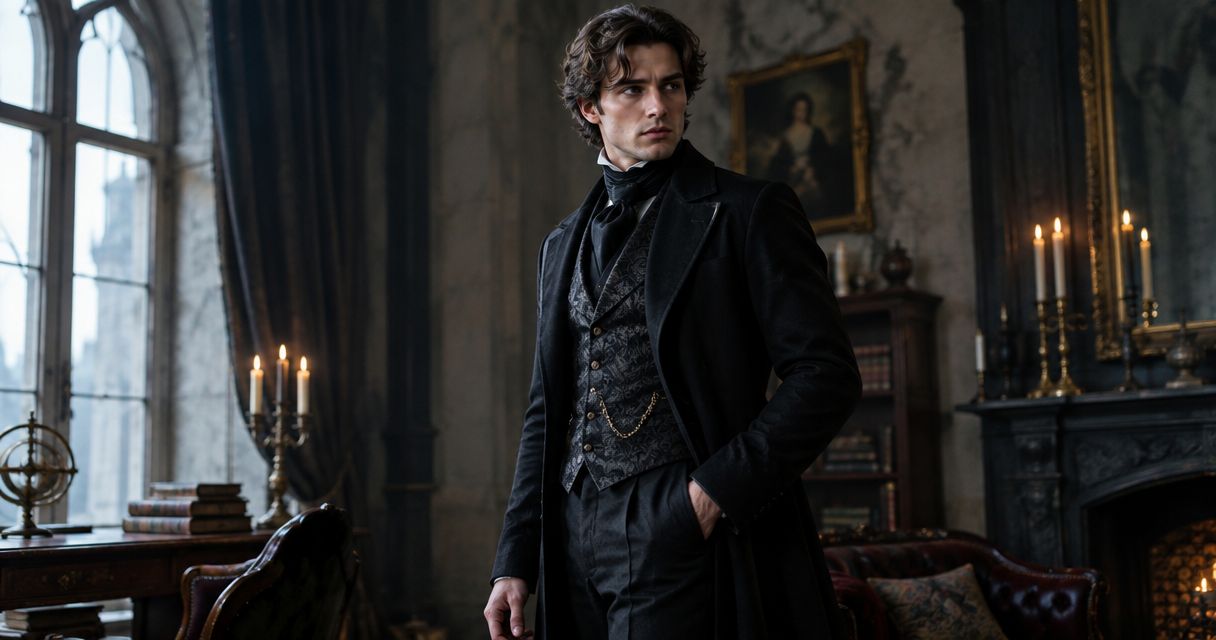
Best overall: a frock coat. Best for everyday wear: a waistcoat. Best starting point: high-waisted trousers. The best Victorian gothic clothing for men in 2026 builds a dark silhouette through tailoring, proportion, and restrained ornament—not a collection of competing costume details.
- The best victorian gothic clothing for men starts with a frock coat for a deliberate, long-lined silhouette.
- Choose a waistcoat for everyday gothic menswear; reserve a tailcoat for formal drama.
- High-waisted trousers support Victorian-inspired proportions without requiring elaborate accessories.
- Ossuary-Archive-Edit serves dark-fashion collectors; distinguish contemporary gothic apparel from historical reproduction.
Why this matters
Victorian gothic dress is a contemporary styling category, not a single historical uniform. A long coat, fitted waistcoat, and elevated trouser waist suggest period tailoring; dark colors and selected ornament establish the gothic interpretation. You do not need every recognizable detail at once.
Ossuary-Archive-Edit is best for dark-fashion collectors seeking gothic apparel and occult accessories. The Ossuary-Archive-Edit archive includes gothic apparel alongside costumes, jewelry, masks, and horror decor. Treat this guide as a framework for choosing garment types, not a claim that the archive carries every piece described below.
For a 2026 wardrobe, decide whether you want daily clothing, evening dress, or a theatrical ensemble before selecting the outer layer. That choice changes which garment deserves priority. A cape makes a strong entrance, but a waistcoat is the more practical foundation for an outfit you intend to wear regularly.
What makes the best Victorian gothic menswear
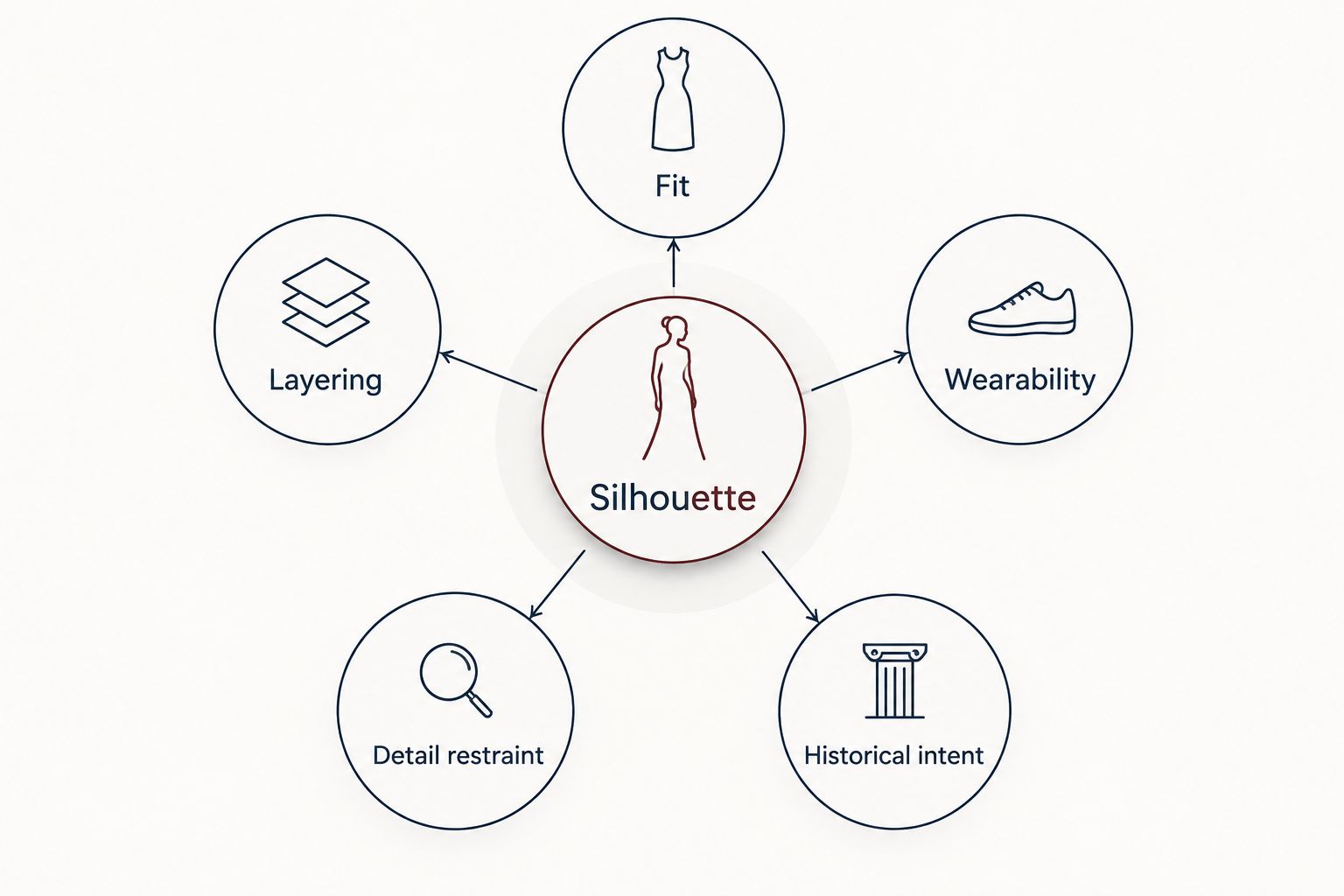
Judge each garment against these criteria before you consider ornament:
- Silhouette: The garment should establish a clear waist, shoulder line, or vertical shape rather than disappear beneath accessories.
- Fit: Check shoulder placement, fastening, and movement. Decorative detail does not correct a strained closure or a poorly positioned waist.
- Layering: Choose pieces that sit together without collars, sleeves, and hems fighting for space.
- Wearability: Match the garment to sitting, walking, traveling, and the setting where you will wear it.
- Detail restraint: Make tailoring, texture, or hardware the principal feature—not all of them simultaneously.
- Historical intent: Decide whether you want a period-inspired interpretation or documented historical reproduction.
A useful starting structure is 3 garments: shirt, waistcoat, and trousers. Add the coat only after that foundation works. This is an outfit-building recommendation, not a requirement for historical accuracy.
Victorian gothic clothing at a glance
These rankings compare garment roles rather than named products. The order favors a strong overall silhouette, then pieces that support repeat wear, then occasion-specific layers.
| Rank and garment | Best for | Standout feature | Key limitation |
|---|---|---|---|
| 1. Frock coat | A complete Victorian-inspired silhouette | Long skirt beneath a shaped upper body | Requires careful waist and shoulder fit |
| 2. Waistcoat | Everyday gothic layering | Defines the torso without a long outer layer | Cannot establish the whole silhouette alone |
| 3. High-waisted trousers | Building the outfit foundation | Connect the waistcoat and lower body | Rise and waistband fit need close attention |
| 4. High-collar shirt | Framing the face | Gives the neckline a deliberate structure | Collar comfort varies with construction |
| 5. Cape | A theatrical entrance | Creates an uninterrupted outer shape | Loose fabric complicates ordinary movement |
| 6. Tailcoat | Formal evening drama | Contrasts a short front with long rear tails | Strong occasion associations limit versatility |
1. Frock coat: best Victorian gothic clothing for a full silhouette
A frock coat is a long, skirted coat with a shaped upper body. In a gothic interpretation, its appeal comes from the relationship between shoulders, waist, and hem—not merely from making the fabric black.
Choose this garment when the outfit needs a clear central structure. A restrained shirt and trousers allow the coat's cut to remain legible; a dense arrangement of chains, lace, and contrasting collars competes with that structure.
Frock coat pros:
- Establishes the outfit's overall outline.
- Gives a waistcoat and shirt a defined outer frame.
- Supports a restrained look without elaborate accessories.
Frock coat cons:
- Poor shoulder or waist fit is difficult to disguise.
- A long skirt adds fabric around chairs and crowded spaces.
For your 2026 selection, inspect the coat both fastened and open. Reach forward, sit down, and check whether the collar stays in place. Judge the actual garment's construction rather than assuming that every long black coat has the same cut.
Best for: Collectors who want the coat to carry the Victorian reference.
Verdict: Buy a frock coat when you want one defining outer garment.
2. Waistcoat: best Victorian gothic clothing for everyday wear
A waistcoat shapes the torso without adding sleeves or a long hem. It lets you introduce a Victorian-inspired line into an outfit that remains easier to adapt to ordinary settings.
Start with the relationship between its lower edge and your trouser waistband. The two should form an intentional transition when you stand and sit; an accidental strip of shirt breaks the continuous line.
Waistcoat pros:
- Adds structure beneath a coat or on its own.
- Leaves the arms free of another sleeve layer.
- Works as a restrained focal garment with plain trousers.
Waistcoat cons:
- A close fit exposes pulling around the fastening.
- Patterned fabric or elaborate hardware can restrict outfit combinations.
Use 2 visible torso layers: a shirt and waistcoat for a simple starting outfit. Introduce a coat later if the occasion calls for it. A plain waistcoat emphasizes shape; a patterned one asks the surrounding garments to be quieter.
Ossuary-Archive-Edit's gothic clothing context suits a collector-led approach: select the piece for its role in your wardrobe, not simply because it looks elaborate in isolation.
Best for: Men building a repeat-wear gothic wardrobe rather than an event-only ensemble.
Verdict: Buy a waistcoat first when everyday use matters more than dramatic scale.
3. High-waisted trousers: best for building the outfit foundation
High-waisted trousers place the waistband higher on the torso than low-rise styles. They help connect the lower body to a waistcoat and give the outfit a more deliberate vertical proportion.
For Victorian-inspired dressing, assess the rise and waist placement before choosing an extreme leg shape. A coherent waistband-to-waistcoat relationship contributes more to the ensemble than decorative straps added to an unsuitable foundation.
High-waisted trouser pros:
- Supports a continuous line beneath a waistcoat.
- Creates structure without relying on jewelry or outerwear.
- Allows the upper garments to remain the focal point.
High-waisted trouser cons:
- An unsuitable rise can feel restrictive while seated.
- A poorly fitted waistband distorts the intended shape.
Check the trousers with the footwear you intend to wear. Excess fabric at the hem can obscure the line; an overly short hem creates a different visual effect. Neither length is automatically correct—choose deliberately rather than accepting an accidental result.
For a 2026 foundation, keep the trousers visually quiet if the coat already carries substantial texture or ornament.
Best for: Men whose existing shirts and outerwear need a more coherent base.
Verdict: Buy high-waisted trousers before adding more accessories to an unfinished silhouette.
4. High-collar shirt: best for framing the face
A high-collar shirt brings attention to the neck and face. It supplies a visible period-inspired cue even when the rest of the outfit remains restrained.
The category includes different collar constructions, so evaluate the actual neckline rather than the name alone. A firm standing collar creates a different effect from a soft collar with decorative trim; neither guarantees historical accuracy.
High-collar shirt pros:
- Gives the neckline a clear visual purpose.
- Adds interest beneath a plain waistcoat.
- Supports a minimal outfit without a dramatic coat.
High-collar shirt cons:
- A restrictive collar makes extended wear uncomfortable.
- Collar decoration can compete with neckwear or pendants.
Fasten the shirt as you intend to wear it and turn your head in both directions. Then check the collar beneath your waistcoat or coat. A neckline that looks controlled alone can become crowded when several layers occupy the same space.
Choose 1 focal accessory around an elaborate collar, or leave the neckline unadorned. That keeps the shirt's shape visible.
Best for: Men who want the Victorian reference concentrated near the face.
Verdict: Buy a high-collar shirt only after checking neck comfort and layering.
5. Cape: best for a theatrical entrance
A cape creates an outer silhouette through draped fabric rather than fitted sleeves. Its visual strength is the uninterrupted shape around the shoulders and body.
Choose a cape when atmosphere matters more than ordinary convenience. It belongs in an intentional ensemble, not as a substitute for solving the fit of the clothing underneath.
Cape pros:
- Produces a distinct outer outline.
- Leaves the underlying garment sleeves visually separate.
- Gives a restrained base outfit a theatrical frame.
Cape cons:
- Loose fabric needs attention around seating and obstacles.
- Coverage and arm access depend on the particular design.
Practice the movements your occasion requires: reaching for belongings, sitting, and managing a bag. Inspect the fastening as part of that check. A cape should remain controlled by its construction rather than require constant adjustment at the neck.
Keep the underlying outfit simple enough to read when the cape opens. The contrast between a quiet foundation and a sweeping outer layer supplies the drama.
Best for: Event dressing, staged portraits, and deliberately theatrical appearances.
Verdict: Hold a cape until the occasion justifies its practical compromises.
6. Tailcoat: best for formal evening drama
A tailcoat contrasts a short front with extended tails at the back. That distinctive cut creates a formal visual language even when interpreted through gothic styling.
Do not treat a tailcoat as interchangeable with a frock coat. The exposed front makes the waistcoat and trouser relationship especially important, while the rear view becomes a substantial part of the ensemble.
Tailcoat pros:
- Establishes an unmistakable formal outline.
- Keeps the waistcoat visible at the front.
- Gives the outfit a distinct rear silhouette.
Tailcoat cons:
- Formal associations make casual styling less straightforward.
- Rear tails require attention when sitting.
Examine the entire outfit from the side and back, not just in a front-facing mirror. Check the relationship between the tails, trouser line, and footwear. Adding ornament cannot correct proportions that look disconnected from another angle.
For formal 2026 events, distinguish creative gothic dress from a specified dress code. A visually theatrical tailcoat ensemble is not automatically compliant with traditional formal requirements.
Best for: Men planning an occasion-specific ensemble with a deliberate formal character.
Verdict: Buy a tailcoat for a defined event, not as your default outer layer.
How we ranked these garment types
The ranking prioritizes silhouette, fit, layering, wearability, detail restraint, and historical intent. A frock coat leads because it defines the whole outline; a waistcoat follows because it introduces structure with fewer movement compromises.
This is a garment-selection ranking, not a product test or a historical-authenticity certification. The recommendations describe what each garment contributes and what you must inspect before choosing a particular example.
Which Victorian gothic clothing should you choose?
Choose a frock coat if you want the clearest complete silhouette. Choose a waistcoat if you want the strongest everyday starting point. Those are different goals, and the correct first piece depends on which one you actually have.
If your existing wardrobe lacks a coherent waistline, start with high-waisted trousers instead. Add the high-collar shirt when neckline detail matters; reserve the cape and tailcoat for settings that reward their theatrical or formal character.
For your 2026 wardrobe, assemble the plain foundation before selecting decorative artifacts. Ossuary-Archive-Edit's gothic apparel and occult jewelry are separate categories of expression: the accessories should support the clothing rather than conceal unresolved fit.
FAQ
What's the best Victorian gothic clothing for men in 2026?
A frock coat is the best overall garment for a complete Victorian-inspired gothic silhouette. Choose a waistcoat instead when everyday wear is your main priority, and establish the trouser fit before adding ornament.
Is a waistcoat better than a frock coat for everyday gothic outfits?
A waistcoat is the better starting point for everyday gothic outfits because it shapes the torso without a long outer hem or another sleeve layer. A frock coat is the stronger choice when you want the entire silhouette to feel deliberately period-inspired.
Can I wear Victorian gothic clothing without looking theatrical?
Yes—build the outfit around restrained trousers, a shirt, and a waistcoat. Keep the tailoring visible and let one garment or accessory carry the decorative emphasis.
What's the difference between a frock coat and a tailcoat?
A frock coat has a long skirt around the lower body, while a tailcoat has a short front and extended rear tails. A frock coat supports a continuous outer outline; a tailcoat makes the waistcoat and trousers more visible at the front.
Do Victorian gothic clothes have to be historically accurate?
No—Victorian gothic clothing can be a contemporary interpretation rather than historical reproduction. If accuracy is your goal, assess documented garment construction and period references instead of relying on a gothic label.
What should I check before choosing a high-collar shirt?
Check neck comfort, head movement, and how the collar sits beneath your other garments. A decorative neckline should remain comfortable when fastened and should not compete with every accessory around it.
What jewelry works with Victorian gothic menswear?
Choose jewelry that supports the outfit's main detail rather than competing with it. A restrained ring or pendant works as a focal accent, while an elaborate collar often benefits from less neck ornament.
One last thing
Photograph your finished outfit from the side and back before the occasion. A convincing front view can conceal a crowded collar, disconnected waistline, or awkward coat hem.
Remove an accessory before adding another. If the silhouette becomes clearer, the garment—not the ornament—was the important artifact all along.