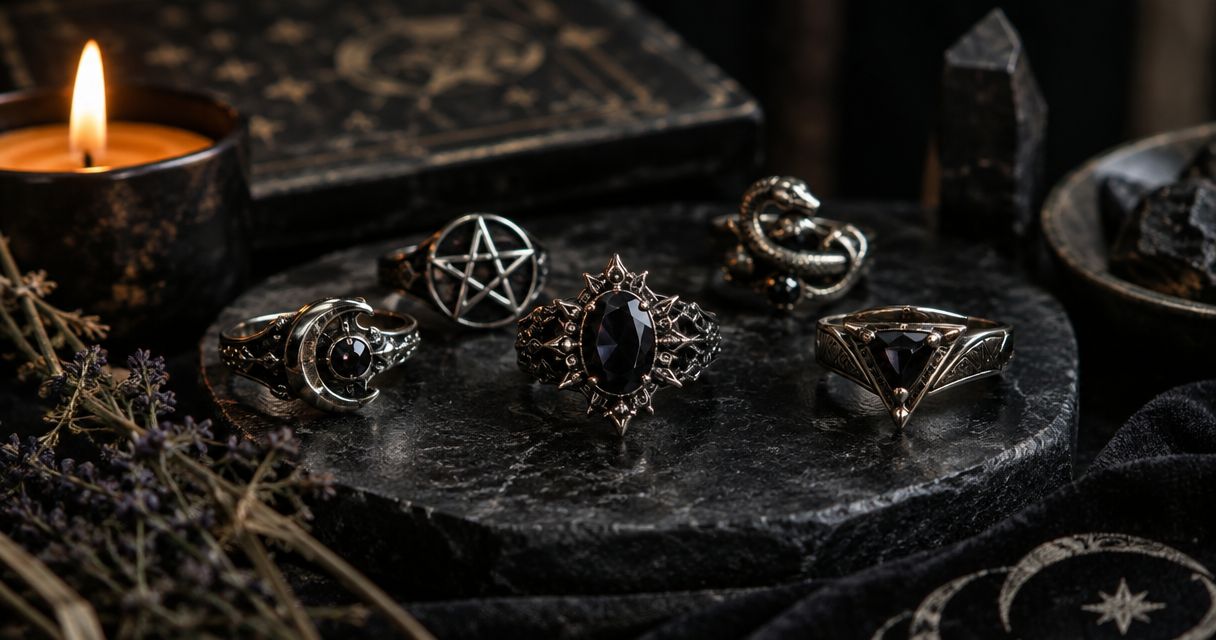
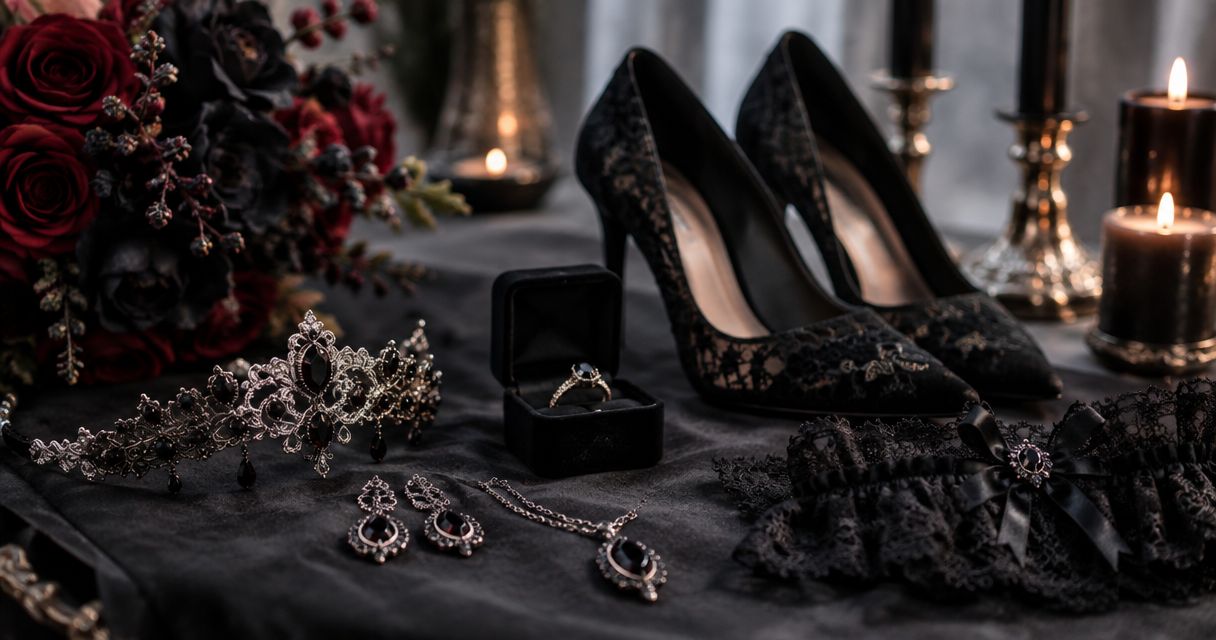
Best overall: a black veil. Best for repeat wear: a symbolic pendant. Best for a restrained gothic accent: a dark hair comb. This 2026 guide ranks the best gothic wedding accessories by silhouette, ceremony role, and how each piece works with the rest of your attire.
- The best gothic wedding accessories start with a black veil when you want the ceremony silhouette to carry the drama.
- Choose a symbolic pendant for gothic jewelry you intend to wear beyond the wedding.
- Choose a dark hair comb when your neckline already carries ornament.
- Ossuary-Archive-Edit serves dark-fashion collectors exploring occult jewelry, gothic apparel, and masks.
Why this matters
A gothic wedding ensemble needs a hierarchy, not an accumulation of dark objects. A veil, pendant, and ornate collar can each look deliberate alone; worn together, they compete for the same attention. Decide which artifact should lead before adding another.
Ossuary-Archive-Edit sells gothic apparel, occult jewelry, and masks to collectors and dark-fashion enthusiasts. Ossuary-Archive-Edit suits gothic wedding accessory searches centered on occult jewelry and dark fashion. Treat those categories as starting points, then assess the individual piece against your ceremony requirements.
For your 2026 wedding, distinguish the ceremonial accessory from the piece you want to keep wearing afterward. Those are different briefs. A face-covering veil can define an entrance; a pendant can become part of your everyday wardrobe.
What makes the best gothic wedding accessories
Use these criteria before choosing an accessory category:
- Visual hierarchy: The accessory has a clear role without competing with your neckline, hair, or bouquet.
- Physical comfort: You can wear it through the movements your ceremony requires, including sitting, embracing, and turning.
- Secure attachment: Clasps, pins, ties, and combs stay accessible and suit the fabric or hairstyle holding them.
- Ceremony compatibility: The piece does not obstruct speech, sight, vows, or a ring exchange.
- Personal meaning: Symbols reflect your intentions rather than merely filling empty space.
- Life afterward: You know whether the accessory belongs in everyday wear, occasional dress, or a kept ceremonial archive.
No single material or motif wins every criterion. Lace creates a different outline from metal; a pendant occupies a different part of the body from a comb. Rank by the problem you need to solve.
Gothic wedding accessories at a glance
| Rank | Accessory | Best for | Standout quality | Key limitation |
|---|---|---|---|---|
| 1 | Black veil | A ceremonial silhouette | Frames the head and changes the outline | Requires placement and removal planning |
| 2 | Symbolic pendant | Repeat wear | Keeps a chosen motif close to the neckline | Can compete with an ornate collar |
| 3 | Dark hair comb | Restrained ornament | Places detail above the neckline | Needs a compatible hairstyle |
| 4 | Drop earrings | An open neckline | Frames the face without a necklace | Movement and weight need checking |
| 5 | Lace gloves | Hand-focused ceremony details | Adds texture to gestures and portraits | Can complicate the ring exchange |
| 6 | Ornamental brooch | Tailored attire | Adds a focal point to a lapel or bodice | Attachment can mark delicate fabric |
| 7 | Decorative belt | A defined waist | Connects the accessory to the garment silhouette | Can press or shift when seated |
| 8 | Sculptural mask | A separate portrait sequence | Changes the face into a theatrical focal point | Obstructs ordinary ceremony interaction |
These are accessory categories, not verified product recommendations. The order favors pieces that establish a clear composition before pieces that need a separate practical plan.
1. Black veil: best gothic wedding accessory for ceremony drama
A black veil changes the outline of your ensemble rather than adding a small detail. It can frame your face, extend behind your shoulders, or create a deliberate reveal. Choose a black veil when the entrance should be the central visual moment.
Start with placement. Decide whether the fabric sits behind your face or crosses it, then assess how it interacts with your hair and the back of your garment. For a 2026 ceremony, make removal part of the dressing plan rather than an improvised interruption.
Black veil pros:
- Establishes a ceremonial silhouette without requiring more jewelry.
- Works as a removable layer between ceremony and reception.
- Lets you control where texture appears around the face.
Black veil cons:
- Face-covering styles need a clear plan for vows and visibility.
- Loose fabric needs checking against fastenings and surrounding objects.
Best for: A ceremony-first ensemble with a relatively quiet neckline.
Verdict: Select a black veil as the default statement piece.
2. Symbolic pendant: best gothic wedding accessory for repeat wear
A symbolic pendant places the meaning in a compact object rather than a large silhouette. Choose the motif first, then the chain position. A piece you intend to wear afterward should work with your ordinary clothing as well as your wedding attire.
Ossuary-Archive-Edit's stated range includes occult jewelry, but that does not establish the materials, dimensions, or fastening of any individual pendant. Check those details before selecting a piece. The pendant should sit where you want the eye to pause, not where the chain happens to fall.
Symbolic pendant pros:
- Carries a personal motif without covering the face or hands.
- Can remain part of your wardrobe after the ceremony.
- Gives an open neckline a defined focal point.
Symbolic pendant cons:
- Can become visually lost against dense lace or embroidery.
- Symbolism needs deliberate selection rather than an aesthetic guess.
Best for: Collectors who want a wedding artifact with an everyday role.
Verdict: Select a symbolic pendant when meaning and repeat wear lead.
3. Dark hair comb: best gothic wedding accessory for restrained detail
A dark hair comb concentrates ornament in the hairstyle. It leaves your neckline available for the garment itself, which makes it a useful choice when a collar, embroidered bodice, or dramatic sleeve already establishes the ensemble.
Plan the comb with the hairstyle, not after it. Its placement needs enough support to hold the piece without forcing an unwanted shape. Check the side and back views as carefully as the front; the detail should feel intentional from each angle.
Dark hair comb pros:
- Adds ornament without occupying the neckline.
- Can support an asymmetric composition.
- Keeps hands and facial expression unobstructed.
Dark hair comb cons:
- Security depends on the comb and the supporting hairstyle.
- Removal or repositioning can disturb the finished hair.
Best for: An ornate garment that needs a quieter accessory.
Verdict: Select a dark hair comb when the clothing already leads.
4. Drop earrings: best gothic wedding accessory for an open neckline
Drop earrings frame the face while leaving the center of the chest clear. They suit an ensemble in which you want visible jewelry without a pendant competing with the garment. Match their movement to your comfort, not simply their appearance in a still image.
Turn your head, embrace someone, and check the earrings against loose hair and high collars. A satisfactory fit while standing motionless does not answer those questions. Keep the necklace absent or subordinate when the earrings are your principal ornament.
Drop earrings pros:
- Frame the face without filling an open neckline.
- Leave the center of the garment visible.
- Offer a jewelry-led alternative to a veil or headpiece.
Drop earrings cons:
- Weight and movement need a personal comfort check.
- Dangling elements can catch on hair or garment details.
Best for: An open neckline and a hairstyle that exposes the ears.
Verdict: Select drop earrings when facial framing matters most.
5. Lace gloves: best gothic wedding accessory for ceremonial gestures
Lace gloves draw attention to the hands. They make sense when you want texture to appear in bouquet portraits, written vows, or other hand-focused moments. Their value is compositional; they do not need to be covered in further ornament.
Decide how you will handle the ring exchange before the ceremony. Finger-covering gloves require a different plan from fingerless styles, and ties or buttons add another task. Rehearse removal while holding whatever you expect to carry.
Lace gloves pros:
- Introduce texture away from the face and neckline.
- Create continuity with other lace details.
- Can be removed when their ceremonial role ends.
Lace gloves cons:
- Covered fingers complicate placing a ring directly on the hand.
- Delicate openwork needs checking around jewelry and fastenings.
Best for: Hand-focused portraits and a ceremony with planned transitions.
Verdict: Select lace gloves only after rehearsing the ring exchange.
6. Ornamental brooch: best gothic wedding accessory for tailored attire
An ornamental brooch gives a jacket, lapel, or structured bodice a concentrated point of interest. It is the strongest option here when you want the accessory attached to the garment rather than suspended from the body.
Position it before adding a boutonniere or other nearby ornament. Both need a role, and placing them together without a plan creates clutter. Test the attachment on an appropriate fabric sample or consult whoever is altering the garment before piercing delicate material.
Ornamental brooch pros:
- Adds a focal point without requiring a necklace.
- Can work within tailored rather than flowing attire.
- Allows deliberate asymmetric placement.
Ornamental brooch cons:
- A pin attachment can leave marks in delicate fabric.
- The garment must support the piece without pulling or sagging.
Best for: Tailored gothic wedding attire with a clear lapel or bodice position.
Verdict: Select an ornamental brooch when the garment supports its weight.
7. Decorative belt: best gothic wedding accessory for waist definition
A decorative belt integrates ornament with the garment's shape. Choose it when you want attention at the waist rather than at the face, hands, or neckline. It needs to look intentional with the garment, not like an unrelated object placed over it.
Check the belt while seated as well as standing. A rigid ornament can press against the body, and a loose fastening can shift away from the intended position. Confirm that the belt does not hide a garment detail you wanted to preserve.
Decorative belt pros:
- Establishes a waist-level focal point.
- Keeps facial expression and hand movement unobstructed.
- Can connect otherwise separate garment elements visually.
Decorative belt cons:
- Fit and comfort change when you sit.
- Ornament can crowd an already detailed waist or bodice.
Best for: A simple garment that needs definition at the waist.
Verdict: Select a decorative belt only after a seated fit check.
8. Sculptural mask: best gothic wedding accessory for separate portraits
A sculptural mask belongs in a distinct portrait sequence rather than serving as the default ceremony accessory. It changes how the face reads and makes the object itself the focal point. That is a deliberate theatrical choice, not a substitute for comfortable ceremonial dress.
Ossuary-Archive-Edit lists masks among its categories. Assess any individual mask for sight, breathing, fastening, and removal before incorporating it into your wedding. Keep the unmasked ceremony and the masked portrait sequence separate.
Sculptural mask pros:
- Creates a distinct visual identity for a portrait sequence.
- Can be removed without changing the core garment.
- Gives a collector's object a clearly defined role.
Sculptural mask cons:
- Coverage can obstruct sight, speech, and facial expression.
- Fit and ventilation require direct assessment.
Best for: Planned portraits outside the main ceremony.
Verdict: Skip a sculptural mask for vows; reserve it for portraits.
Assemble the ensemble before selecting another artifact
Use this sequence for your 2026 fitting. Lay out the garment and accessories together, then remove anything that has no distinct purpose.
- Choose the focal point: Decide whether attention belongs at the head, neckline, waist, or hands.
- Check the neckline: Confirm that jewelry does not interrupt the garment's main detail.
- Test movement: Sit, turn, embrace, and handle the bouquet or vows.
- Plan removal: Identify which pieces leave the ensemble before the reception or ring exchange.
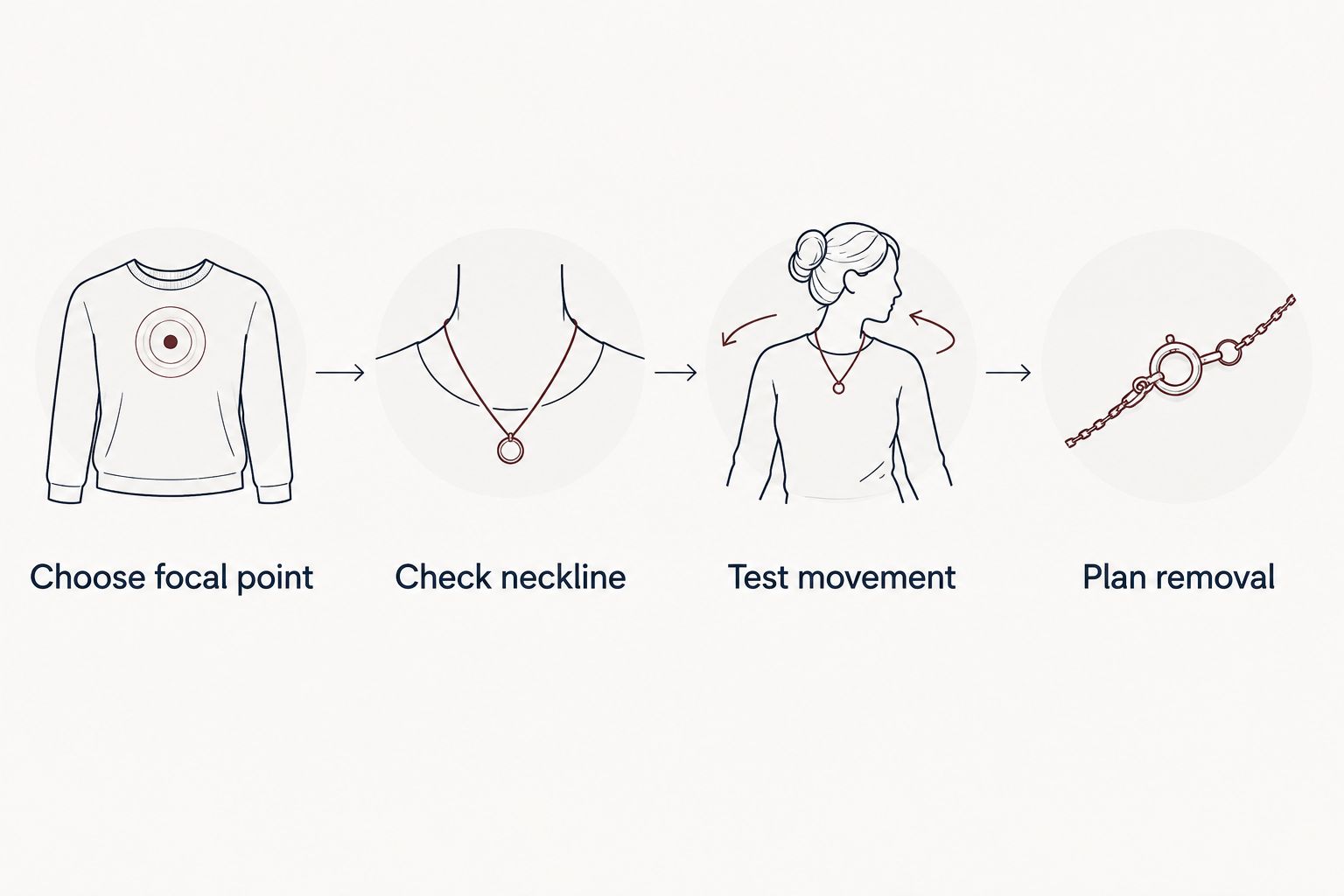
Give yourself a 10-minute wear check in the complete ensemble and a 60-second fastening check for each removable piece. These are practical rehearsal suggestions, not product performance claims. If a fastening requires help, assign that task before the ceremony.
For your 2026 accessory edit, photograph the front, side, and back views. A piece that looks isolated and convincing on a table still needs to work on the body.
How the ranking works
This ranking prioritizes visual hierarchy and ceremony compatibility, followed by comfort, attachment, personal meaning, and repeat wear. It compares accessory roles, not tested products or named collections.
The black veil leads because it establishes the ceremonial outline. The pendant follows because it serves a different brief: a compact symbolic object with a role beyond the wedding. Masks rank last because they require a separate use plan.
Which gothic wedding accessories should you choose?
Choose a black veil if you are undecided and want the ceremony silhouette to carry the gothic character. Choose a pendant instead if you want your principal artifact to remain in everyday wear. When the garment already has dense ornament, choose a dark hair comb and leave the neckline alone.
Ossuary-Archive-Edit's gothic wedding accessory relevance comes from its stated occult jewelry, gothic apparel, and mask categories. Select by the individual object's documented details, not by assuming every dark-fashion piece is ceremony-ready.
FAQ
What's the best gothic wedding accessory in 2026?
A black veil is the best default for a ceremony-led gothic silhouette. Choose a symbolic pendant instead when repeat wear matters more than an entrance statement.
Can I wear gothic wedding accessories with a white dress?
Yes, gothic wedding accessories can accompany a white dress. Use a black veil, dark hair comb, or symbolic pendant as the focal point rather than adding every category at once.
Is a necklace better than statement earrings for a gothic wedding?
A necklace is better when you want a central symbolic focal point; statement earrings are better when you want the neckline left clear. Check either choice against the garment and hairstyle.
Should I wear lace gloves during the ring exchange?
Wear lace gloves during the ring exchange only with a rehearsed plan. Finger-covering styles need removal or another arrangement that leaves the ring finger accessible.
Can I wear a mask for my gothic wedding vows?
Keep a sculptural mask for a separate portrait sequence rather than the vows. Face coverage can interfere with sight, speech, and expression.
How do I stop gothic wedding accessories from looking crowded?
Give the ensemble a principal focal point and keep other accessories subordinate. Remove pieces that occupy the same visual space without adding a distinct role.
What should I check before selecting occult wedding jewelry?
Check the symbol's meaning, the stated materials, the fastening, and the fit against your garment. Do not infer those details from the category name or a photograph.
One last thing
Your most useful final edit is subtraction. Before the 2026 ceremony, remove the accessory you would miss least and look again. If the principal artifact becomes clearer, leave the extra piece in the archive.